

SAN FRANCISCO, California (The Adobo Chronicles) – McDonald’s has all but conceded that it cannot compete with Jollibee in the Philippines. The clown is simply unable to keep up with the popularity of that “fat, stupid happy bee” in the Asian island nation.
But the opposite is true in the U.S.
McDonald’s is outpacing Jollibee in all markets throughout the continental U.S., as well as in Alaska and Hawaii.
As a result, Jollibee has announced it is completely pulling out of the U.S. market.
In the last few years, many have noticed that the Jollibee mascot has become pale and has lost a lot of weight (see photo) due to the declining number of customers and disappointing sales figures.
Jollibee Foods Corporation says it will relocate all of its U.S.-based mascots to the Philippines, where they are expected to recover quickly.
Meanwhile, another Philippines-based fast food restaurant is gaining momentum in the U.S.
 Chowking USA is a quick service restaurant from the Philippines with a Chinese-influenced menu. Chowking, its mother brand, is one of the most recognized and well-loved fast food chains in the Philippines. The brand opened its first store in the U.S. in 1995. Back then, the chain catered primarily to Filipino Americans, bringing them iconic menu items from the original Chowking.
Today, Chowking USA serves not just the Filipino community but the local US market as well by providing a delicious and satisfying Chinese fast food experience. It now has 19 locations in 3 states: California, Nevada, and Washington.
Goodbye Chicken Joy. Hello chow fun!
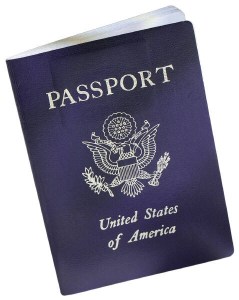 MANILA, Philippines (The Adobo Chronicles) – Filipinos wanting to visit the United States face an enormous challenge in securing an entry visa, especially for the purpose of tourism. Many go through the doors of the U.S. Embassy in Manila in the hopes of getting their passports stamped for travel to America, but very few leave with the tourist visa they try so hard to secure.
 The Adobo Chronicles
You must be logged in to post a comment.