
Waze Or Maze? The App That Makes You Wonder, And Wander

Waze, the app that promises to guide you home, often takes you… elsewhere. Picture this: You’re ten minutes late to an appointment, and Waze, your trusty co-pilot, reroutes you into what seems like a labyrinth designed by a mischievous Greek god. Suddenly, you’re circling dead-ends, staring at ominous “No U-Turn” signs, and wondering if Waze is short for “Where Are Zoning Engineers?”

And what’s with those prompts? “Turn right,” it whispers, just as you sail past the exit like a contestant on a high-speed game show. Rumors swirl that Waze is in cahoots with fast-food chains and gas stations—why else would your “quick route” involve so many pit stops conveniently located near fries and fuel?

Is Waze a navigator or a prankster? One thing’s certain: when it says “You’ve reached your destination,” it’s probably laughing harder than you are.

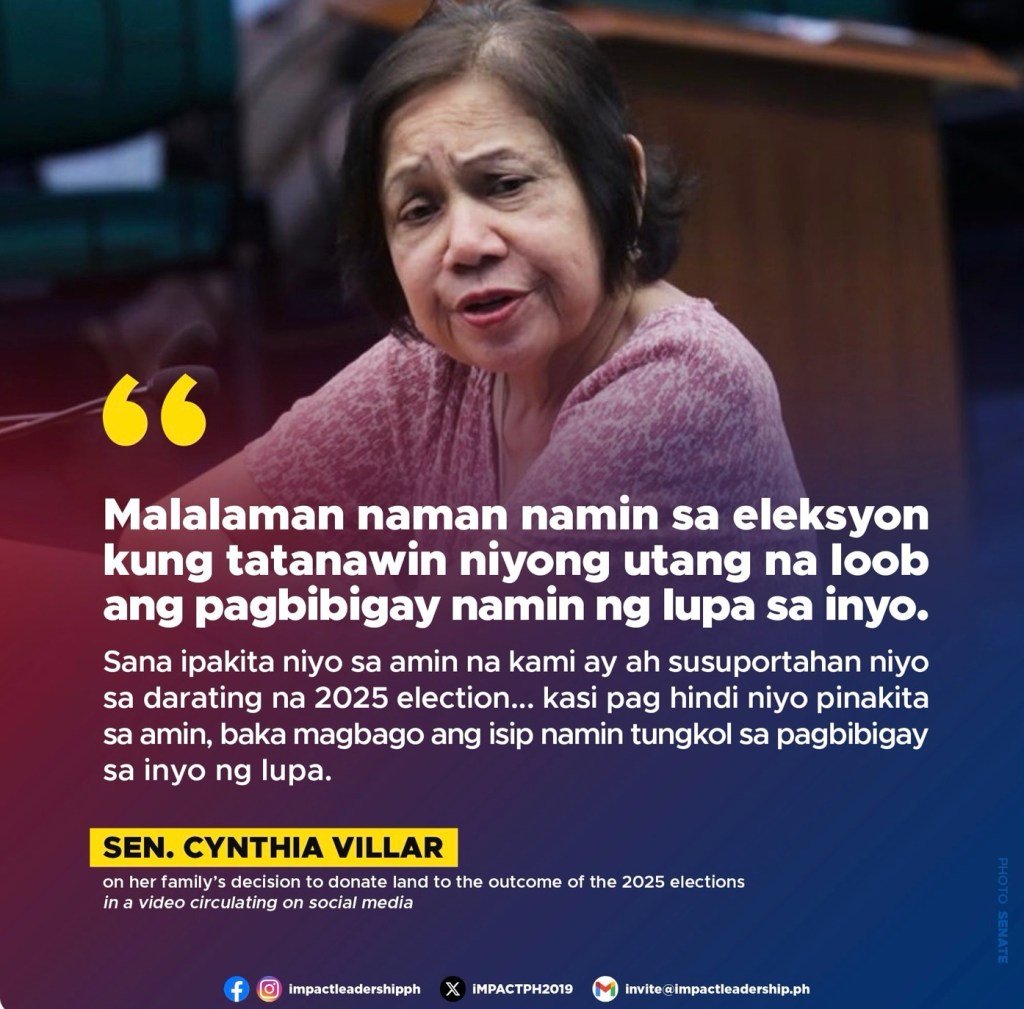
Cynthia Villar Floats “Utang Na Loob” As An Election Issue.

In a recent twist on the Filipino value of utang na loob (debt of gratitude), Senator Cynthia Villar has redefined the concept with a touch of political flair. Addressing voters, she suggested that the family’s generous land donation might be “reconsidered” if it isn’t reciprocated with electoral support in the 2025 polls. 

This statement has led to a nationwide epiphany: gratitude now comes with a due date and a ballot requirement. Political analysts are coining this phenomenon “conditional philanthropy,” where generosity is measured not by the act itself but by the votes it garners. Voters are left pondering: Is gratitude a heartfelt sentiment or a transactional obligation? 

As the 2025 elections approach, the nation watches closely, eager to see if utang na loob will evolve into a new form of political currency, where every act of kindness comes with fine print and a campaign slogan.

Your best source of up-to-date, unbelievable news.