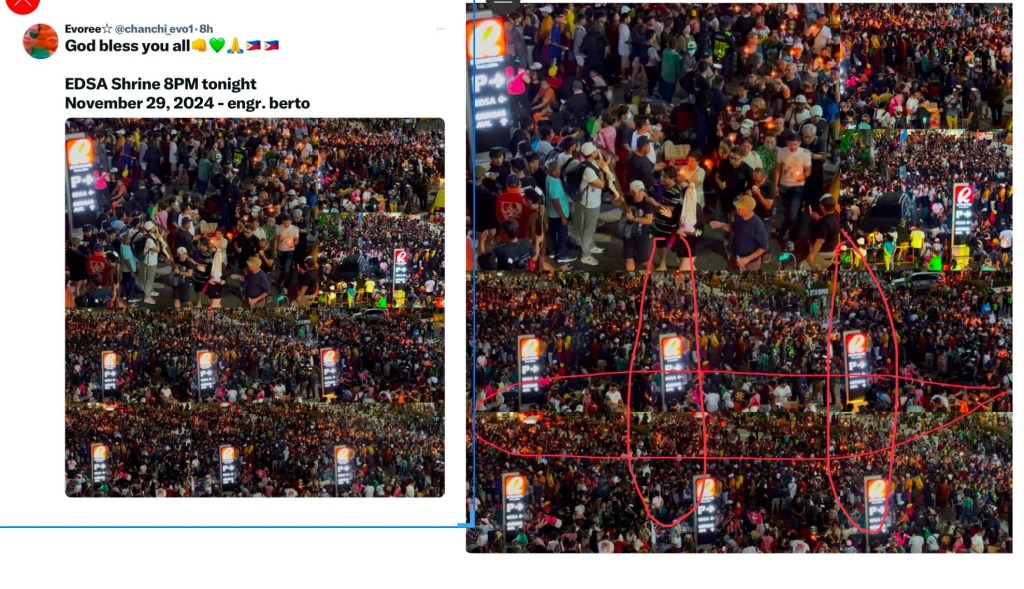
Ang “Pinagtagpi-tagping People Power sa EDSA” ay tunay na obra maestra ng malikhaing imahinasyon at advanced photo editing skills. Sa dami ng rallyists, tila nagmistulang Where’s Waldo ang mga litrato—na para bang kailangan mo ng magnifying glass para makita kung nasaan sila. Sabi nga nila, pictures don’t lie, pero kung na-edit, na-slice, at na-crop ang mga larawan, aba’y ibang usapan na ’yan.
Ang resulta? Ang crowd sa EDSA ay parang nag-teleport mula drone shot papunta sa PowerPoint presentation. Isa itong tagumpay ng teknolohiya, kung saan kahit ang kulang-kulang ay nagmumukhang “siksikan.” Bravo sa mga “creatives” na kayang gawing grandioso ang kahit anong event gamit lamang ang copy-paste.
Sa panahon ng fake news, nagiging trendsetter ang ganitong klaseng “photo activism.” At ang mensahe? Hindi mahalaga ang dami ng tao basta’t mahalaga ang illusion. Sa bandang huli, hindi rally ang tunay na event, kundi ang editing contest.
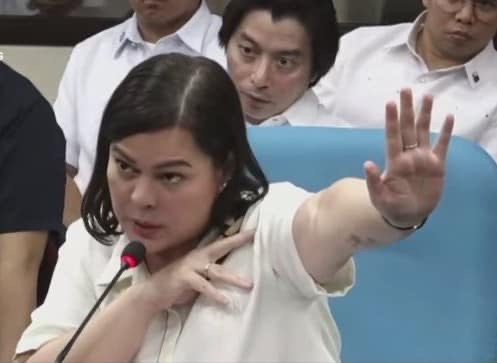
Sara Duterte is the quintessential role model for Filipinos who aspire to reinvent the meaning of leadership—by doing precisely the opposite of what the Constitution demands.
As Vice President, she vowed to serve the public and uphold the law, but she has managed to flip this narrative into a masterclass on political irony. Refusing to take a congressional oath to tell the truth? Bold. Ditching invitations from a co-equal branch of government? Iconic. Weaponizing public platforms to criticize her own administration while spewing expletives and threats? Groundbreaking. Ignoring a lawful summons by law enforcement? A true innovator in the art of accountability avoidance.
Sara’s leadership style teaches us a valuable lesson: why follow the rules when you can bulldoze them? Her actions are a satire in themselves—a portrait of power unbound by law or decorum, challenging Filipinos to rethink what “public servant” really means.
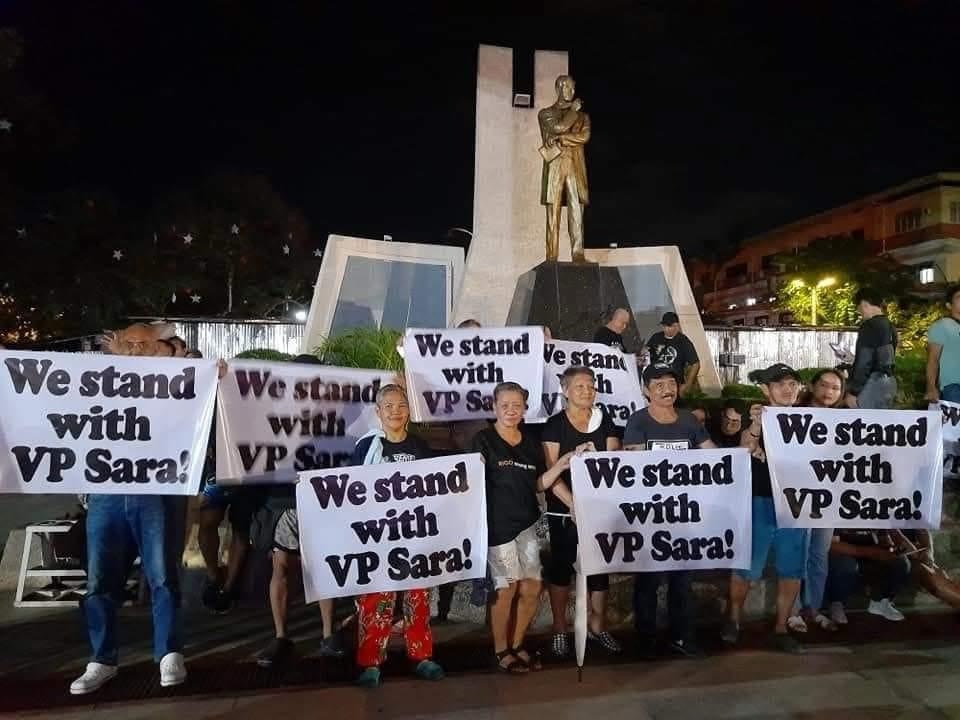
In the age of memes and TikTok dances, the so-called “People Power” movement has evolved—or rather, devolved—into a catchphrase weaponized by certain political factions, particularly die-hard Duterte supporters. For them, the recipe for replicating the monumental 1986 uprising seems hilariously simple: one cup of online outrage, two tablespoons of recycled slogans, and a sprinkle of conspiracy theories. Voilà! Instant revolution.
Never mind that the original People Power was a rare convergence of bravery, unity, and genuine clamor for democracy. Today’s “people power” is more like “group chat power,” where every angry Facebook post is seen as the modern equivalent of EDSA.
Critics dream of toppling regimes from the comfort of their couches, blissfully unaware that hashtags and angry tweets don’t exactly intimidate sitting leaders. Maybe it’s time they realized that while history may repeat itself, it rarely does so for people who think emojis are a protest strategy.

 The Adobo Chronicles
You must be logged in to post a comment.