
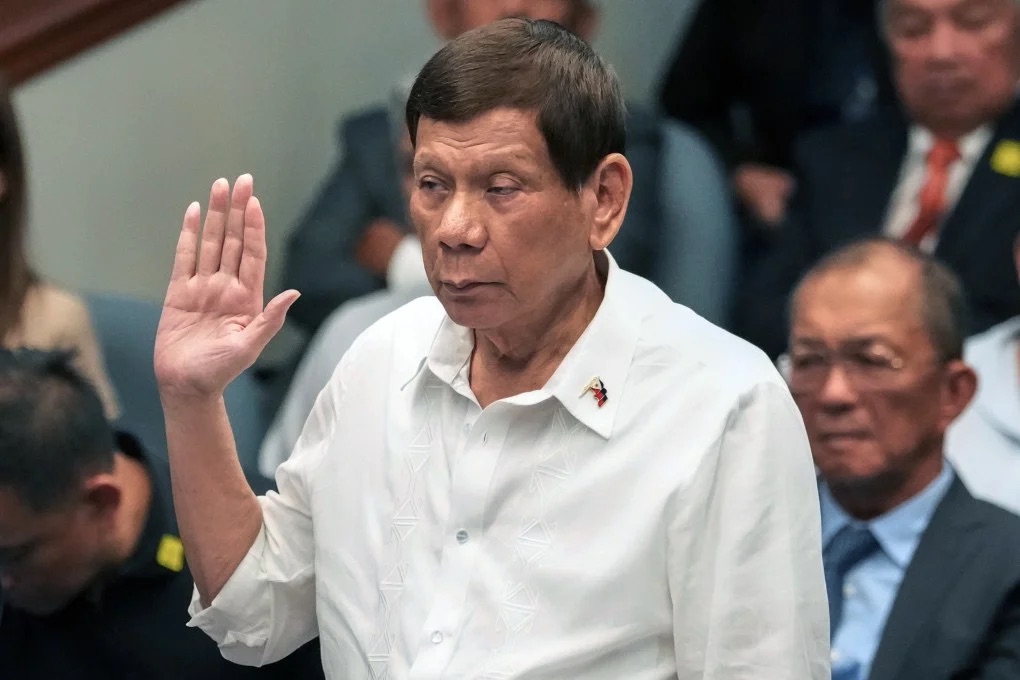
In a masterclass on self-incrimination, former President Rodrigo Duterte seemed to redefine the legal concept by turning it into a personal confessional.
While witnesses at congressional hearings skillfully dodge questions with lines like “I invoke my right,” Duterte’s approach was refreshingly unorthodox. He freely admitted to actions that would make most attorneys reach for a stiff drink, calmly confirming his own role in alleged extrajudicial killings under his infamous war on drugs.
For Duterte, who once made headlines for his brazen admissions, due process seemed more like a quaint formality. After all, why waste taxpayer money on affidavits, testimonies, and ICC investigations when he’s already provided the main exhibit—himself?
Is this bravery, or has Duterte accidentally set a new standard for “self-cremation”? Instead of painstakingly unearthing counter evidence of wrongdoing, the former president has lit his own bonfire, inviting the world to watch. It’s the kind of bold legal strategy that would make any defense lawyer’s head spin.
Witnesses and lawyers need not apply here; Duterte’s testimony has already done the job. Why call it self-incrimination when “self-destruction” has a much better ring to it? In Duterte’s Philippines, it seems, the strongest accusations come straight from the top—no cross-examination required.
 The Adobo Chronicles