
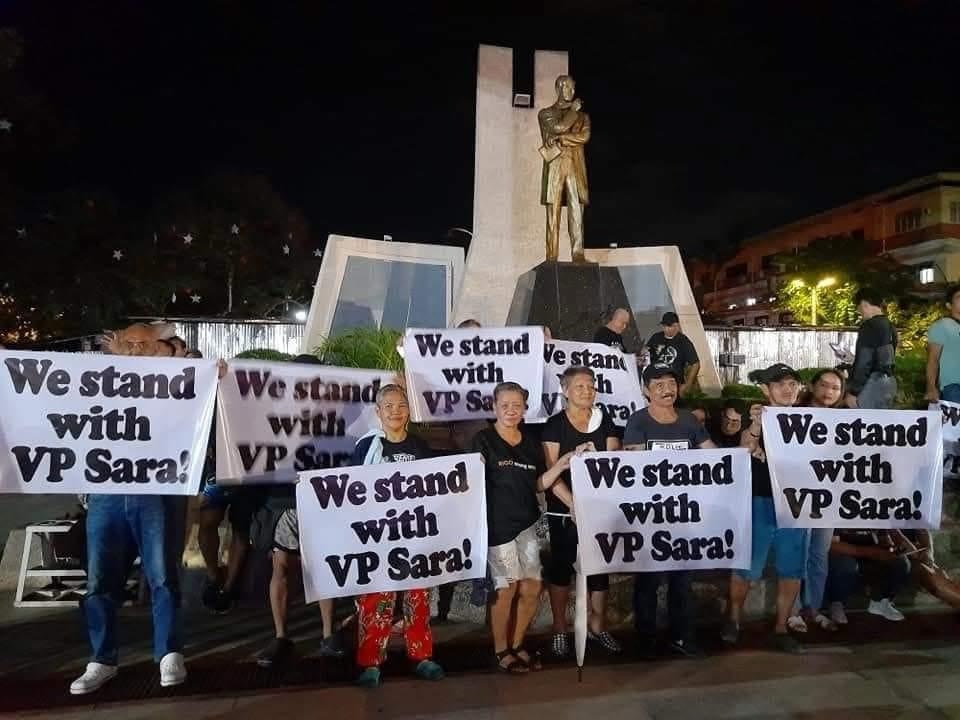
In the age of memes and TikTok dances, the so-called “People Power” movement has evolved—or rather, devolved—into a catchphrase weaponized by certain political factions, particularly die-hard Duterte supporters. For them, the recipe for replicating the monumental 1986 uprising seems hilariously simple: one cup of online outrage, two tablespoons of recycled slogans, and a sprinkle of conspiracy theories. Voilà! Instant revolution.
Never mind that the original People Power was a rare convergence of bravery, unity, and genuine clamor for democracy. Today’s “people power” is more like “group chat power,” where every angry Facebook post is seen as the modern equivalent of EDSA.
Critics dream of toppling regimes from the comfort of their couches, blissfully unaware that hashtags and angry tweets don’t exactly intimidate sitting leaders. Maybe it’s time they realized that while history may repeat itself, it rarely does so for people who think emojis are a protest strategy.
 The Adobo Chronicles